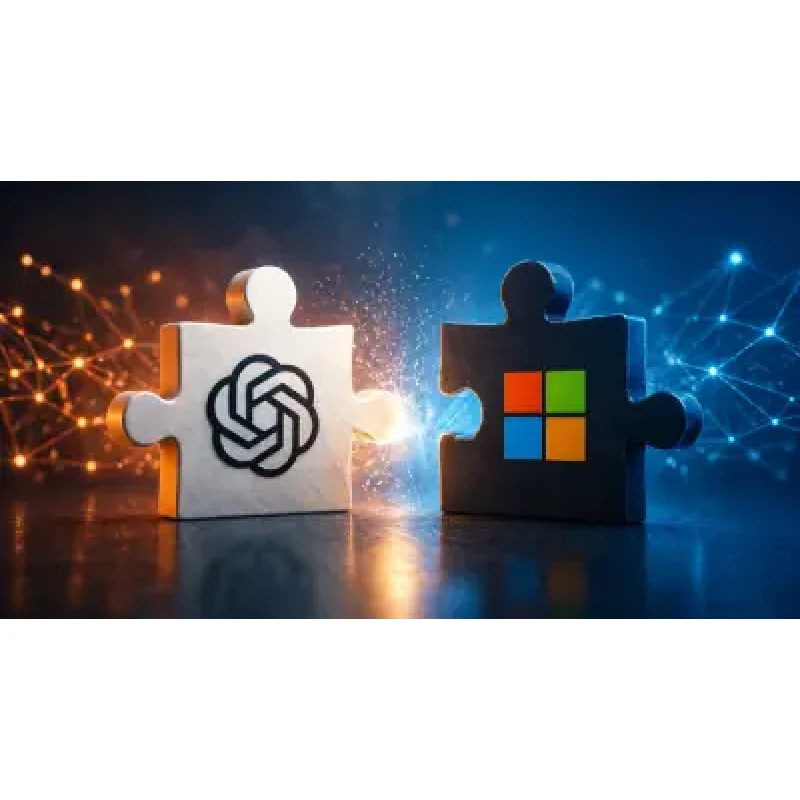
OpenAI Ends Exclusive Partnership with Microsoft

A Shift Toward Greater Openness
OpenAI has officially revised its long-term agreement with Microsoft, marking the end of the exclusive partnership that once granted Microsoft near-exclusive access to its AI models. This move signals a clear shift toward a more open and flexible strategy in the rapidly evolving AI landscape.
Expanding Beyond a Single Cloud Provider
Moreover, OpenAI will now be able to offer its latest AI models to a broader range of partners and clients outside Microsoft’s ecosystem. However, Microsoft will remain the primary cloud partner, with new products continuing to launch first on Azure before becoming available elsewhere.
Leadership Perspective on the Change
In addition, CEO Sam Altman emphasized that OpenAI can now distribute its technologies across multiple cloud platforms. This reflects a significant transition from a previously exclusive model to a more scalable and globally accessible approach.
Updated Licensing and Revenue Terms
On the licensing front, Microsoft will retain access to OpenAI’s technologies until 2032, but without exclusivity. Meanwhile, Microsoft will no longer share a portion of its revenues with OpenAI. In contrast, OpenAI will continue to pay Microsoft a share of its revenue until 2030, within an agreed financial cap.
A Longstanding Partnership Evolves
It is worth noting that the partnership between the two companies began in 2019 and has since played a major role in advancing cloud computing and artificial intelligence integration. Despite the end of exclusivity, both companies confirmed that their collaboration will continue under more balanced and transparent terms.
Conclusion: A New Phase of AI Competition
In conclusion, this decision allows OpenAI to expand its reach and collaborate more widely across the tech industry. As a result, it is expected to intensify competition and accelerate innovation in the global AI market.
Other Topics You May Also Be Interested In
Gemini on YouTube: The AI Revolution for Creators
Microsoft Reduces Copilot Presence in Windows 11
Google Launches New Offline Voice Dictation App for iPhone
Kaspersky Leads Cybersecurity Tests in 2025
Best Free Grok Alternatives for Creating Short Videos in 2026
ChatGPT Enters the App War