
The Internet of Things (IoT) and the Future of Cybersecurity
The Internet of Things (IoT) and the Future of Cybersecurity

The Internet of Things (IoT) and the Future of Cybersecurity
The Internet of Things (IoT) has become one of the most influential technologies shaping the modern digital world. From smart homes and wearable devices to connected cars and intelligent healthcare systems, IoT is transforming how people live, work, and interact with technology. As this rapid expansion continues, cybersecurity has become a critical concern that can no longer be overlooked.
What Is IoT and Why Does It Matter?
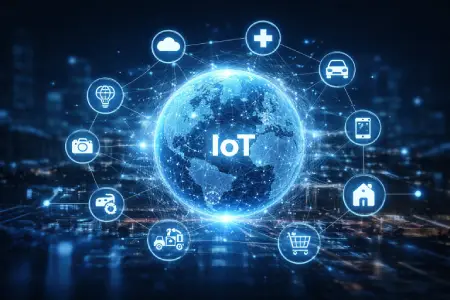
IoT refers to a network of physical devices embedded with sensors, software, and connectivity that allow them to collect and exchange data over the internet. These devices work together to improve efficiency, automate tasks, and provide real-time insights across various industries such as healthcare, transportation, manufacturing, and retail.
The importance of IoT lies in its ability to simplify daily life and optimize business operations. Smart thermostats reduce energy consumption, connected medical devices monitor patient health remotely, and smart logistics systems enhance supply chain performance.
Cybersecurity Challenges in the IoT Era
Despite its advantages, IoT introduces serious cybersecurity risks. Many connected devices lack strong security measures, making them easy targets for cyberattacks. Hackers can exploit vulnerabilities to steal sensitive data, disrupt services, or gain unauthorized access to entire networks.
Common IoT security challenges include:
-
Weak or default passwords
-
Lack of regular software updates
-
Insecure data transmission
-
Limited device authentication
As the number of connected devices grows, so does the potential attack surface, increasing the urgency for stronger cybersecurity strategies.
The Role of Cybersecurity in Protecting IoT Systems
Cybersecurity plays a vital role in ensuring the safe operation of IoT environments. Protecting connected devices requires a multi-layered approach that includes encryption, secure authentication, network monitoring, and regular system updates.
Organizations and individuals must adopt best practices such as:
-
Using strong, unique passwords
-
Enabling automatic firmware updates
-
Segmenting IoT devices from critical networks
-
Monitoring unusual device behavior
Governments and technology companies are also working on global security standards to regulate IoT device manufacturing and data protection.
The Future of IoT and Cybersecurity
Looking ahead, the future of IoT will be closely linked to advancements in cybersecurity. Artificial intelligence and machine learning are expected to play a major role in detecting threats in real time and responding to cyberattacks more efficiently. Zero-trust security models and blockchain-based solutions may also become essential components of secure IoT ecosystems.
As digital transformation accelerates, cybersecurity will no longer be optional—it will be a fundamental requirement for sustainable technological growth.
IoT Transforming Businesses and Society
The impact of IoT goes far beyond individual devices—it is reshaping entire industries and societal systems. Businesses leverage IoT to streamline operations, reduce costs, and gain real-time insights into customer behavior. For example, retailers use connected sensors to monitor inventory levels, track customer preferences, and optimize supply chains. In agriculture, smart IoT sensors monitor soil conditions, weather patterns, and crop health to improve yields and sustainability.
On a societal level, IoT enables smarter cities by managing traffic flow, reducing energy consumption, and improving public services such as waste management and emergency response. The integration of IoT with AI and big data analytics allows governments and organizations to make informed decisions quickly, ultimately enhancing quality of life and economic growth.
Final Thoughts
IoT is revolutionizing the way the world operates, but its success depends heavily on robust cybersecurity measures. By prioritizing security from the design stage and staying vigilant against emerging threats, businesses and users can fully benefit from IoT without compromising safety or privacy.
This content is part of continuous monitoring of Arabic websites and specialized blogs, alongside insights drawn from Egypt-based online stores, Kuwait stores, and vitamin e-commerce platforms. It also relies on a well-known social media services platform as a primary source for information, trends, and ongoing updates
Other Topics You May Also Be Interested In
UAE Experts Program Opens Applications for Artificial Intelligence Track in January 2026
Kaspersky Warns of Sophisticated Phishing Campaign Exploiting OpenAI Team Invitations
Saudi Arabia Accelerates AI Infrastructure as Humain Secures $1.2 Billion Financing Deal
Understanding DDoS Attacks: How They Work and How to Mitigate Them
The Fifth Wave of Cybercrime: How AI Has Turned Digital Crime into a Global Industry