
Fake VPN Apps May Spy on Users and Steal Sensitive Data
-
Mar, 06, 2026
Fake VPN Apps May Spy on Users and Steal Sensitive Data
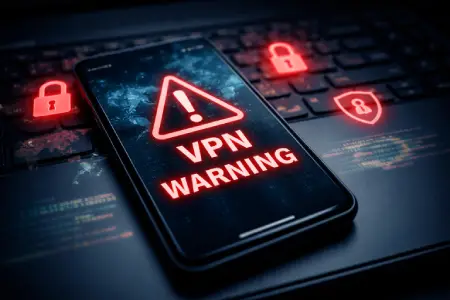
Google Issues Serious Warning: Fake VPN Apps May Spy on Users and Steal Sensitive Data
Google has issued a strong warning to internet users about the growing spread of malicious VPN applications that disguise themselves as tools designed to protect privacy, while in reality they may spy on users and steal sensitive personal information.
The warning comes as cybersecurity experts notice a significant increase in applications pretending to offer secure Virtual Private Network (VPN) services. Instead of protecting users, these apps may secretly collect data and expose people to serious digital threats.
How VPN Services Work
A Virtual Private Network is designed to create a secure and encrypted connection between a user’s device and an external server. This process hides the user’s real location and allows them to access websites or online services that may be restricted in their region.
VPNs are also commonly used to enhance privacy and protect internet activity from being monitored by internet service providers. However, because the connection is routed through additional servers, users may sometimes experience slower internet speeds.
Fake VPN Apps Becoming a Major Threat
According to Google, many malicious apps are now impersonating well-known VPN services or using misleading advertisements to convince people to install them.
Once installed, these fake applications may secretly download spyware capable of accessing extremely sensitive information, including:
-
Private messages
-
Browsing history
-
Login credentials for online accounts
-
Banking information
-
Cryptocurrency wallet keys
This type of access allows cybercriminals to monitor users, steal financial data, and even take control of important accounts.
Google Play Protect and Security Measures
Google stated that it uses advanced detection systems through Google Play Protect to identify harmful applications and remove them from the Play Store.
The company strongly advises users to keep Play Protect enabled at all times and never disable it when installing new applications, as it acts as an important security layer for Android devices.
Cybersecurity Experts Also Raise Concerns
The U.S. Cybersecurity and Infrastructure Security Agency (CISA) has issued similar warnings. According to the agency, using a VPN does not automatically guarantee privacy.
When someone uses a VPN service, they are essentially shifting trust from their internet service provider to the company operating the VPN servers. If that company has weak security practices or questionable privacy policies, user data could be exposed.
Reports also highlight that many VPN services, particularly free or unknown providers, may have unclear privacy policies and could potentially collect and sell user data instead of protecting it.
How to Protect Yourself
Cybersecurity specialists recommend several important steps to reduce risks:
-
Download VPN applications only from official stores such as Google Play or Apple App Store
-
Keep Google Play Protect enabled at all times
-
Avoid completely free VPN services with unknown reputations
-
Choose trusted and reputable paid VPN providers
-
Never install VPN apps from unofficial websites or third-party sources
A Simple Rule in Cybersecurity
As digital threats continue to grow, experts emphasize a simple but powerful rule in cybersecurity:
If a service is completely free, you may actually be the product.
Understanding this principle can help users stay cautious and avoid falling victim to applications that promise privacy while secretly collecting their personal data.
In the rapidly evolving world of technology and online services—whether discussing security tools, platforms used by content creators, or even the ecosystems surrounding Egyptian stores, Kuwaiti stores, vitamin stores, well-known social media services websites, Arabic websites, and blogs—digital awareness remains one of the most important defenses against cyber threats. 🔐💻
In an increasingly digital ecosystem — stretching from Arabic websites and specialized blogs, alongside insights drawn from Egypt-based online stores, Kuwait stores, and vitamin e-commerce platforms. personal account security is no longer optional.
Other Topics You May Also Be Interested In
VPN Networks: Do They Really Protect You from Tracking and Malware?
LAiPIC Launches Doratoon AI Platform to Generate Full Anime Episodes from a Single Text Prompt
OpenAI Prepares First Hardware Product: AI-Powered Smart Earbuds
Faraday Future Launches Humanoid and Quadruped AI Robots with Paid Preorders at NADA 2026
Kaspersky Introduces AI-Driven SIEM Upgrade to Detect Account Takeovers Faster