
Snap Showcases the Future of AR and AI Wearables at Web Summit Qatar 2026
Snap Showcases the Future of AR and AI Wearables at Web Summit Qatar 2026

Snap Showcases the Future of AR and AI Wearables at Web Summit Qatar 2026
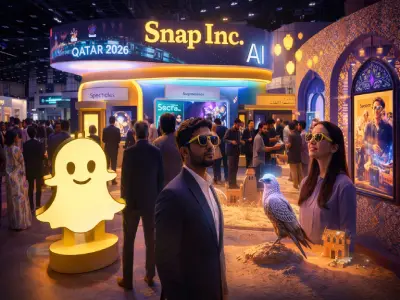
Snap Inc. captured major attention at Web Summit Qatar 2026 by unveiling a series of cutting-edge augmented reality (AR) experiences and showcasing its latest generation of AI-powered Spectacles. The company’s participation reflects its growing commitment to accelerating digital transformation across the Middle East while redefining how users interact with technology, creativity, and cultural storytelling.
Snap’s Vision: From Mobile AR to AI-Driven Wearable Computing
At the summit, Snap presented an interactive pavilion highlighting the evolution of its technological ecosystem over more than a decade. The company demonstrated how augmented reality has transitioned from experimental smartphone features into real-world, immersive digital experiences powered by artificial intelligence and wearable computing.
Snap emphasized that its innovations go beyond entertainment, extending into sectors such as education, cultural preservation, digital art, and commercial experiences. Through platforms like Snapchat, Lens Studio, AR Mirrors, and Spectacles, Snap aims to create an integrated environment that blends digital content with everyday life.
According to Hussein Freijeh, Vice President of Snap for the Middle East, North Africa, Asia, and the Pacific:
“Augmented reality and artificial intelligence are reshaping how people communicate, express creativity, and interact with their surroundings. Our participation in Web Summit Qatar highlights our long-term commitment to supporting creators, developers, and businesses across the region.”
AI-Powered Spectacles: A New Era of Spatial Computing
One of Snap’s main attractions at the event was its latest Spectacles smart glasses, which integrate AR with generative AI technologies. The wearable device allows users to experience digital overlays in real-world environments, enabling shared immersive storytelling and interactive spatial experiences.
Spectacles represent Snap’s strategic shift toward camera-based computing, where visual input becomes the primary interface between users and digital platforms. By combining machine learning, environmental mapping, and real-time rendering, the glasses create interactive virtual layers that blend seamlessly with physical surroundings.
The company believes wearable AR technology will play a significant role in shaping the future of social communication, creative production, and digital commerce.
Massive AR Engagement Across the Globe and the Middle East
Snap revealed impressive usage statistics during the summit, highlighting the growing importance of augmented reality worldwide:
-
More than 350 million users interact with AR daily on Snapchat.
-
Approximately 80% of Snapchat users in the Middle East engage with AR features every day.
-
Snap’s AR developer ecosystem includes over 400,000 creators and developers.
-
More than 4 million AR lenses have been created through Lens Studio.
These numbers demonstrate how AR is evolving into a mainstream communication tool that supports content discovery, personal expression, marketing campaigns, and virtual commerce experiences.
Three Interactive Cultural Experiences at Snap’s Pavilion
Snap designed its pavilion as a multi-stage interactive journey combining technology with regional culture and artistic expression.
1. Cultural Storytelling with Qatar National Museum
Visitors began their experience using Spectacles in collaboration with the Qatar National Museum. This installation allowed participants to engage with cultural narratives through shared AR environments, offering immersive storytelling that preserves and presents regional heritage in innovative ways.
2. AR Art Experience Inspired by the Arab Museum of Modern Art
The second station featured an AI-powered AR mirror inspired by the Arab Museum of Modern Art. The installation used machine learning to place visitors inside dynamic artistic scenes influenced by modern Arab visual art. The experience demonstrated how AR can enhance public interaction with contemporary art and digital exhibitions.
3. Generative AI Heritage Photo Booth
The final station showcased a generative AI photo booth that allowed visitors to create personalized digital souvenirs. Users could generate images featuring themselves in front of iconic cultural landmarks in Qatar, blending heritage elements with AI-generated creative design.
Camera-Based Computing and the Future of Human-Centered Technology
Snap also contributed to the summit’s main stage discussions. Rishi Sidhu, Snap’s Global Director of Creative Strategy and Innovation for Spectacles and Lens Studio, delivered a keynote titled:
“From Snapchat to Specs: Enhancing the Human Side of Computing.”
The session explored Snap’s transition toward camera-driven computing platforms and highlighted how augmented reality and AI can enhance human interaction, authenticity, and real-time communication. The company stressed its goal of ensuring technology remains centered around meaningful social connection rather than replacing it.
Snap’s Expanding Role in the Middle East Digital Ecosystem
Snap’s participation in Web Summit Qatar underscores its broader strategy to support digital innovation across the Middle East. The company continues to invest in regional partnerships, developer programs, and cultural initiatives designed to empower local creators and businesses.
By combining AR, artificial intelligence, and wearable technology, Snap aims to create immersive digital experiences that reflect regional culture while reaching global audiences.
The Future of Augmented Reality and AI Integration
Snap’s showcase at Web Summit Qatar signals a broader shift in how emerging technologies are reshaping digital communication. The integration of AR, AI, and wearable computing suggests a future where digital interaction becomes more immersive, personalized, and culturally connected.
As augmented reality evolves from a social media feature into a full computing platform, Snap is positioning itself as a leader in building the next generation of interactive digital experiences.
This content is part of continuous monitoring of Arabic websites and specialized blogs, alongside insights drawn from Egypt-based online stores, Kuwait stores, and vitamin e-commerce platforms. It also relies on a well-known social media services platform as a primary source for information, trends, and ongoing updates
Other Topics You May Also Be Interested In
NVIDIA Unveils Earth-2: A New Era of AI-Powered Weather Forecasting
Apple Unveils the New AirTag with Longer Range, Louder Sound, and Smarter Tracking
UK Leads Major Economies Most Affected by AI as Job Opportunities Decline
Public Wi-Fi Security Risks: 7 Hidden Threats and How to Protect Yourself
Social Engineering: How Dangerous Is It and How Can You Protect Yourself?